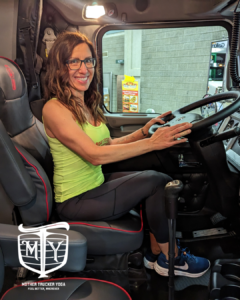
Why Mother Trucker Yoga Is Different — And Why Driver Lifestyle Wellness™ Is the Future of Trucking Health
Why Mother Trucker Yoga Is Different — And Why Driver Lifestyle Wellness™ Is the Future of Trucking Health
When it comes to truck driver health, there’s no shortage of quick fixes: pledges, 30-day challenges, free sign-ups. They sound good, but here’s the truth — those rarely create lasting change. Why? Because your health isn’t about signing a paper or downloading another free app. It’s about commitment, accountability, and daily choices that fit into your life behind the wheel. Driver Lifestyle Wellness At Mother Trucker Yoga (MTY), we do things differently. Our Driver Lifestyle Wellness™ approach is built on real behavior change, real coaching, and real results. Let me explain why.The Problem with Traditional Programs
Too often, health programs for drivers are bulky, unrealistic, or designed by people who have never set foot in a truck cab. They pile on exercises, meal plans, and routines that sound great on paper but quickly fall apart once the program ends. Research proves why this happens. A meta-analysis of health habit formation showed that building new habits takes an average of 59–66 days, and often up to 154 days — not 7 days, not 30 days. That’s why quick-hit programs don’t last: the brain and body simply need more time and repetition to lock in change. And when nearly 69% of long-haul drivers are obese (compared to 31% of the general workforce) and over 53% of commercial drivers are obese (26% morbidly obese), we can’t afford to keep offering short-term band-aids. Obesity, high blood pressure, diabetes, and sleep disorders are far too common among drivers — with one study finding 73.5% of drivers had abnormal weight and 70% had abnormal blood pressure. Drivers deserve better.How Mother Trucker Yoga Is Different
Here’s how our Driver Lifestyle Wellness™ model stands apart: 1. Small, Simple Changes vs. Bulky Programs Instead of giving you a 90-minute gym routine or restrictive diet, we focus on bite-sized, doable actions you can take today. Stretch while fueling, roll out your feet in the cab, hydrate with intention — each step builds momentum without overwhelming you. When the program ends, your health journey doesn’t. 2. Group Coaching and Accountability Change is easier when you’re not alone. That’s why our programs provide group coaching, real-time accountability, and community support. Truckers motivate truckers. You don’t just sign a pledge — you sign on with a team that walks (and drives) the road with you. 3. Mindfulness + Movement Fitness is more than just physical. Stress, mindset, and mental health directly affect your body. That’s why mindfulness practices, breathwork, and stress management tools are woven into everything we do. Because when your mind calms down, your body follows. 4. Real Solutions for Real Drivers Every tool we offer is designed to fit into a driver’s lifestyle — not work against it. No fancy gym. No complicated equipment. Just strategies you can do on the road, in your cab, or at a truck stop.Why Driver Lifestyle Wellness™ Is the Future
The trucking industry is finally waking up to the fact that driver health isn’t just a personal issue — it’s a business one. Healthy drivers are safer drivers. They stay in the industry longer, cut down on medical costs, and improve retention. That’s why Mother Trucker Yoga’s Driver Lifestyle Wellness™ is the wave of the future. It’s not about a temporary challenge or one-off program. It’s about a holistic, sustainable system that works with drivers, not against them. And the numbers back it up: with obesity, hypertension, and chronic conditions at alarming rates, the time for a new approach is now. One where drivers have skin in the game, support at their back, and tools that actually work in the real world of trucking.Final Thoughts
If you’re tired of signing pledges that don’t change anything, if you’ve tried programs that were too big to stick with, or if you’re looking for something designed by someone who truly understands life behind the wheel — then Mother Trucker Yoga is for you. Your health doesn’t have to be complicated. It just has to be consistent.You May Also Like
Why Stretch Breaks Make Truckers Safer (and 5 You Can Do Anywhere) Take regular truck driver stretch breaks to stay alert, improve circulation, and reduce fatigue while driving. 👉 Read it here 🔗 FMCSA on driver fatigue and safetyHow Posture Affects Driving Safety (and How to Fix It on the Road) Learn how improving your posture for driving safety reduces back pain and helps you stay focused behind the wheel. 👉 Read it here 🔗 Mayo Clinic on office ergonomics and posture
Aching After a Long Haul? Try These Yoga Moves for On-the-Road Pain Relief Relieve stiffness and pain with simple yoga for trucker pain relief exercises designed for life on the road. 👉 Read it here 🔗 NIH on yoga for pain management
Stressed Out on the Road? Here’s How Yoga Helps Truck Drivers Stay Calm Discover how stress relief for truck drivers through yoga techniques can keep your mind and body balanced. 👉 Read it here 🔗 American Psychological Association on stress management